
Station Safety Protocols

Updated: Apr 25, 2024
Objective
Prevent bird injuries and fatalities
The content below serves to increase awareness, avoid complacency, advocate for bird safety above all else, and promote that all participants should voice all thoughts and ideas as they relate to bird safety.
Bander’s Code of Ethics
Continually assess:
Weather – cool, foggy, windy, hot
Number of birds caught in net and per net run
Number of HY and breeding female birds
General guidelines
Net run times – 20, 30, 45 minutes depending on weather conditions (set timer)
Extract birds carefully and gently to avoid stress, broken feathers, wing strain, or broken leg
Number of bags on carabiner/method of carrying birds needs to allow for air circulation
Processing time per bird should be ~3 minutes
If you can definitively age a bird by plumage or iris (such as a richly colored adult SPTO), there's no need to skull the bird
Do not handle birds with insect repellent, sunscreen, or other products on your hands
Birds should not left in bags for more than 1 hour – if breeding female or HY then the time should be less
Release family groups together if possible
Release birds carefully from a minimal height
If a large number of birds are caught, consider:
Minimizing the data taken; band the bird and release
The top data priorities are band number, species, sex, age
Releasing unbanded birds at the net or at the table
Closing particular nets temporarily or for the day; such as high-producing nets like #2 or further nets (#4, 12, 13) to minimize net run times. This is often a better solution because the birds don’t have to go through being caught and extracted.
Processing
All birds should be processed within an hour of being in a bag.
If we cannot process birds within an hour or birds from one net run before the next round of birds, make the decision to either:
Band and release with no data
Release all birds from previous round unbanded (if possible record age and sex on unbanded sheet)
Select only one species to process and release the rest.
Priority birds to process:
HY birds - dependent juveniles (release as family group)
WIWA, OCWA, CALT and SPTO
Breeding females
Injuries and Stress
All banders are trained to be exceptionally careful and gentle when handling all birds!
Assess the bird: fluffing up feathers, opening and closing bill ("panting"), gaping, closing eyes, or limpness warrants release immediately if bird is capable of flight. If not, place the bird in the hospital box (see below).
Types of possible injuries include:
Damaged feathers/tail loss
Wing strain: symptom is often when the bird flutters to the ground upon release. Often caused during netting or extraction.
Stress or shock from perceived predation
Heat/cold exhaustion
Asphyxia, hemorrhaging
Cut leg or feather pins, especially in juvenile and molting birds
Dislocated or broken leg
Hospital boxing birds
If recovery is to occur, it usually happens within an hour. Most birds can recover from wing strain or stress by being placed it in a quiet, warm, and dark place.
When boxing a bird things to consider include:
Potential reasons why it is stressed – wing strain, too hot, too cold
How long the bird has been held in a bag before going into the box
Age and breeding condition
General guidelines
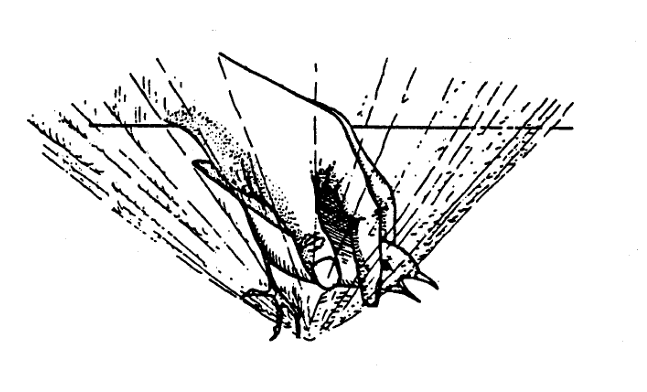
Gauge a potentially wing-strained bird’s flight capability by holding it in the photographer’s grip and gently moving it up and down, making it flutter.
If possible, hold birds in box for 30-45 minutes to allow for recovery. Also consider the time they've spent in the bag.
Hand warmers are in the medical tub if a bird is too cold; however, be aware of making the box too hot.
If birds are alert and responsive and fluttering in photographer’s grip, attempt to release them lower to the ground.
If they fly to the ground in a safe place leave them there and assess. Recapture and put back in box only if they are in danger or not able to move.


Comments